
Karnataka Church meeting calls for rights-based empowerment of Dalits, Tribals
VoM Reporter
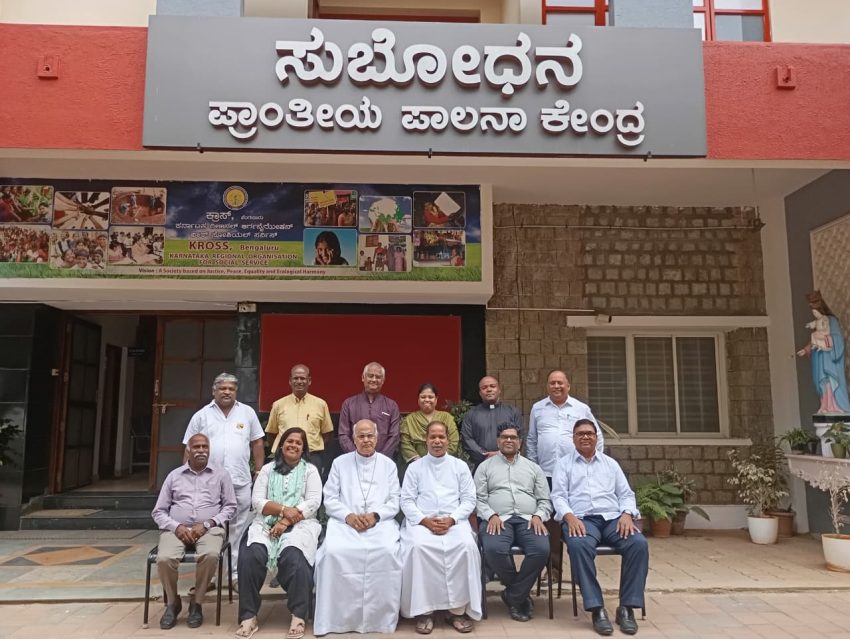
Bengaluru, September 11, 2026: The Karnataka Regional Training and Meeting of the SC/ST/BC Commission called for a stronger rights-based approach to empowering Scheduled Castes, Scheduled Tribes, and other marginalized communities.
Held at the Regional Pastoral Centre in Karnataka, the meeting brought together regional and diocesan representatives, along with national secretaries of the Catholic Bishops’ Conference of India, to review challenges facing marginalized communities and strengthen the Church’s advocacy and empowerment initiatives.
Opening the meeting, Bishop Derek Fernandes, chairperson, emphasized the Church’s responsibility to uphold the dignity, rights and social well-being of marginalized communities, while Alphonse Kennedy, regional secretary of the Karnataka Bishops’ Council, Commission for SC/ST/BC, delivered the welcome address.
Fr. Z.M. Devasagayaraj, CBCI national secretary for SC/BC, briefed participants on the ongoing case concerning the Scheduled Caste status of Dalit Christians and the activities of the CBCI Office for SC/BC. He stressed the need to translate the CBCI Dalit Empowerment Policy into concrete programmes and strengthen coordination among national, regional and diocesan commissions.
Addressing the concerns of Scheduled Tribes, Jesuit Fr. Nirdosh Ekka, CBCI National Secretary for Tribal Affairs, highlighted the importance of political and legal empowerment from the Panchayat level to Parliament. He emphasized electoral participation, constitutional awareness, and Article 342 of the Constitution, which concerns the specification of Scheduled Tribes.
Dr. Dominic Davidappa, Registrar of Bangalore University, was the resource person. He emphasised the importance of socio-economic and skills mapping of Dalit communities to strengthen evidence-based advocacy and enable more effective interventions for their rights and development.
The participants proposed programmes focusing on education, employment, entrepreneurship and leadership development, along with greater awareness of reservation provisions, certificates and government welfare schemes.
The meeting also explored the possibility of establishing a Christian Development Corporation and cooperative banking initiatives to promote economic empowerment. Greater networking with government departments, Legal Services Authorities, educational institutions, statutory commissions and civil-society organizations was encouraged.
Dr. Isabella Xavier, Deputy Secretary of the Karnataka Regional SC/ST/BC Commission, stressed the need to ensure equal space and participation for Dalit Christian women in the Catholic Church, urging greater opportunities for them to take up leadership roles.
A significant discussion focused on caste discrimination within Church structures and communities. Participants recommended caste-sensitisation programmes for clergy, religious, catechists, teachers, parish leaders, youth and families. Church institutions were encouraged to examine practices related to participation, leadership, education, employment, marriage and burial to promote greater equality and dignity.
Pastoral concerns were also addressed, particularly the needs of senior citizens. The possibility of introducing a Diploma Programme in Pastoral Psychology was discussed, along with documenting the life experiences and contributions of older persons as valuable pastoral and theological resources.
Advocate William provided inputs on Category I reservation, minority development schemes and the status of Adi Dravida Christians in official records. He also proposed a one-day sensitisation programme for deacons on the history, identity, rights and challenges of Dalit Christians.
The meeting concluded with a call for the SC/ST/BC Commissions to move from a welfare-oriented approach towards a rights-based and empowerment-focused mission, with data-based advocacy, leadership formation, economic empowerment and greater self-examination within Church structures identified as key priorities.
Leave a Reply